As an Amazon Associate I earn from qualifying purchases.
Drawing foundations
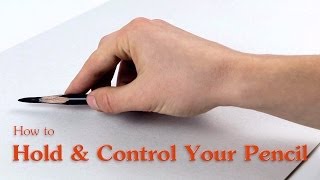
Control pencil lines and pressureBy ProkoBuild steadier marks before tackling detail. Readable steps
An original companion guide from The Useful Stuff, not a transcript of the video. Methods and model details may differ.
- Relax your grip and draw several long lines.
- Move from the shoulder for broad strokes.
- Use the pencil tip for finer marks.
- Practice changing pressure without breaking the line.
Start lightly so construction lines are easy to adjust.
Watch the accompanying creator tutorial ↗
Tools & materials
What you need
Use what you already own. Buy links, where shown, are affiliate links.

Measure proportions in a drawingBy ProkoTrain your eye to compare shapes and distances. Readable steps
An original companion guide from The Useful Stuff, not a transcript of the video. Methods and model details may differ.
- Choose one visible length as your measuring unit.
- Compare major widths and heights against that unit.
- Check angles and alignments before adding detail.
- Recheck the whole silhouette after each correction.
Watch the accompanying creator tutorial ↗
Tools & materials
What you need
- Drawing paper Buy ↗
- Graphite pencils Buy ↗
- Eraser Buy ↗
- A still-life reference
Use what you already own. Buy links, where shown, are affiliate links.

Shade a simple formBy ProkoUse value changes to make a form feel solid. Readable steps
An original companion guide from The Useful Stuff, not a transcript of the video. Methods and model details may differ.
- Place a simple object under one light.
- Sketch its outline and locate the shadow boundary.
- Build distinct light and dark areas gradually.
- Compare the cast shadow and reflected light.
Keep the light areas distinct from the shadow family.
Watch the accompanying creator tutorial ↗
Tools & materials
What you need
Use what you already own. Buy links, where shown, are affiliate links.

Practice gesture drawingBy ProkoCapture movement before drawing small details. Readable steps
An original companion guide from The Useful Stuff, not a transcript of the video. Methods and model details may differ.
- Choose a pose reference and a short time limit.
- Find the main direction of movement.
- Connect the torso and limbs with simple flowing lines.
- Repeat with a new pose before adding anatomy.
Public pose references may include artistic nudity; choose a suitable reference.
Watch the accompanying creator tutorial ↗
Tools & materials
What you need
Use what you already own. Buy links, where shown, are affiliate links.

Draw boxes in one-point perspectiveBy Winged CanvasUnderstand depth with a simple box exercise. Readable steps
An original companion guide from The Useful Stuff, not a transcript of the video. Methods and model details may differ.
- Mark a horizon and one vanishing point.
- Draw the front face of a box.
- Connect its corners to the vanishing point.
- Close the depth with parallel edges and erase guides.
Watch the accompanying creator tutorial ↗
Tools & materials
What you need
Use what you already own. Buy links, where shown, are affiliate links.
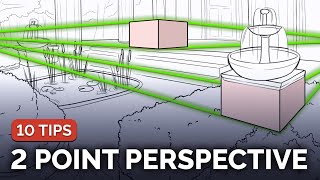
Draw forms in two-point perspectiveBy Winged CanvasDraw objects turned at an angle to the viewer. Readable steps
An original companion guide from The Useful Stuff, not a transcript of the video. Methods and model details may differ.
- Set two vanishing points on a horizon.
- Draw a vertical corner between them.
- Send each side toward its matching vanishing point.
- Add rear edges and check consistent convergence.
Watch the accompanying creator tutorial ↗
Tools & materials
What you need
Use what you already own. Buy links, where shown, are affiliate links.
Painting & color

Readable steps
An original companion guide from The Useful Stuff, not a transcript of the video. Methods and model details may differ.
- Prepare a small paper area with an even damp sheen.
- Mix enough paint before touching the paper.
- Carry overlapping strokes downward while the edge stays wet.
- Let the wash dry without scrubbing it.
Watch the accompanying creator tutorial ↗
Tools & materials
What you need
- Watercolor paper Buy ↗
- Watercolor paints Buy ↗
- Watercolor brush Buy ↗
- Palette Buy ↗
- Water container
- Absorbent towel
- Artist tape Buy ↗
Use what you already own. Buy links, where shown, are affiliate links.
Readable steps
An original companion guide from The Useful Stuff, not a transcript of the video. Methods and model details may differ.
- Dampen a small practice rectangle evenly.
- Start with a stronger color near one edge.
- Dilute the brush progressively as you move downward.
- Leave the transition alone while it dries.
Watch the accompanying creator tutorial ↗
Tools & materials
What you need
- Watercolor paper Buy ↗
- Watercolor paints Buy ↗
- Watercolor brush Buy ↗
- Palette Buy ↗
- Water container
- Absorbent towel
- Artist tape Buy ↗
Use what you already own. Buy links, where shown, are affiliate links.
Readable steps
An original companion guide from The Useful Stuff, not a transcript of the video. Methods and model details may differ.
- Dampen the paper without leaving puddles.
- Place the first color in part of the area.
- Add a second compatible color while it stays wet.
- Allow them to meet without repeated brushing.
Test the colors together first to avoid a muddy mixture.
Watch the accompanying creator tutorial ↗
Tools & materials
What you need
- Watercolor paper Buy ↗
- Watercolor paints Buy ↗
- Watercolor brush Buy ↗
- Palette Buy ↗
- Water container
- Absorbent towel
- Artist tape Buy ↗
Use what you already own. Buy links, where shown, are affiliate links.

Readable steps
An original companion guide from The Useful Stuff, not a transcript of the video. Methods and model details may differ.
- Put small amounts of the base colors on a palette.
- Mix two colors in measured small additions.
- Adjust value with a little white or a darker mix.
- Paint and label swatches after they dry.
Watch the accompanying creator tutorial ↗
Tools & materials
What you need
Use what you already own. Buy links, where shown, are affiliate links.

Readable steps
An original companion guide from The Useful Stuff, not a transcript of the video. Methods and model details may differ.
- Lay two neighboring colors on a practice board.
- Blend their meeting edge while the paint is workable.
- Try a second sample over a fully dry layer.
- Compare the edge control and opacity of each method.
Watch the accompanying creator tutorial ↗
Tools & materials
What you need
Use what you already own. Buy links, where shown, are affiliate links.

Readable steps
An original companion guide from The Useful Stuff, not a transcript of the video. Methods and model details may differ.
- Choose one light direction for a simple object.
- Block in the lit and shaded sides.
- Mix a distinct shadow color rather than random dark marks.
- Check that the cast shadow agrees with your light.
Watch the accompanying creator tutorial ↗
Tools & materials
What you need
- Acrylic paints Buy ↗
- Acrylic brushes Buy ↗
- Canvas board Buy ↗
- Palette Buy ↗
- Water container
- Paper towels
- A simple reference object
Use what you already own. Buy links, where shown, are affiliate links.